
On Stage
Keynotes, university lectures and industry sessions for rooms that have to decide something afterwards — built for the specific audience rather than delivered from a standing script.

Built For the Room
A keynote that could have been given to any audience will change nothing in this one. Every session starts from the same two questions: who is in the room, and what should be different once they leave it.
The material comes from three decades of directing hospitality and consultancy businesses and from a current lectureship in Business & Management — so the argument on stage is one that has survived both a lecture hall and a payroll. A talk that has only ever met one of those is half-tested.

Four Themes
Each theme is prepared afresh for the audience booking it. They overlap deliberately — most rooms want one as the spine and a second as the thread running through it.
Why insight so rarely survives contact with an ordinary calendar, and what closes the distance between knowing and doing.
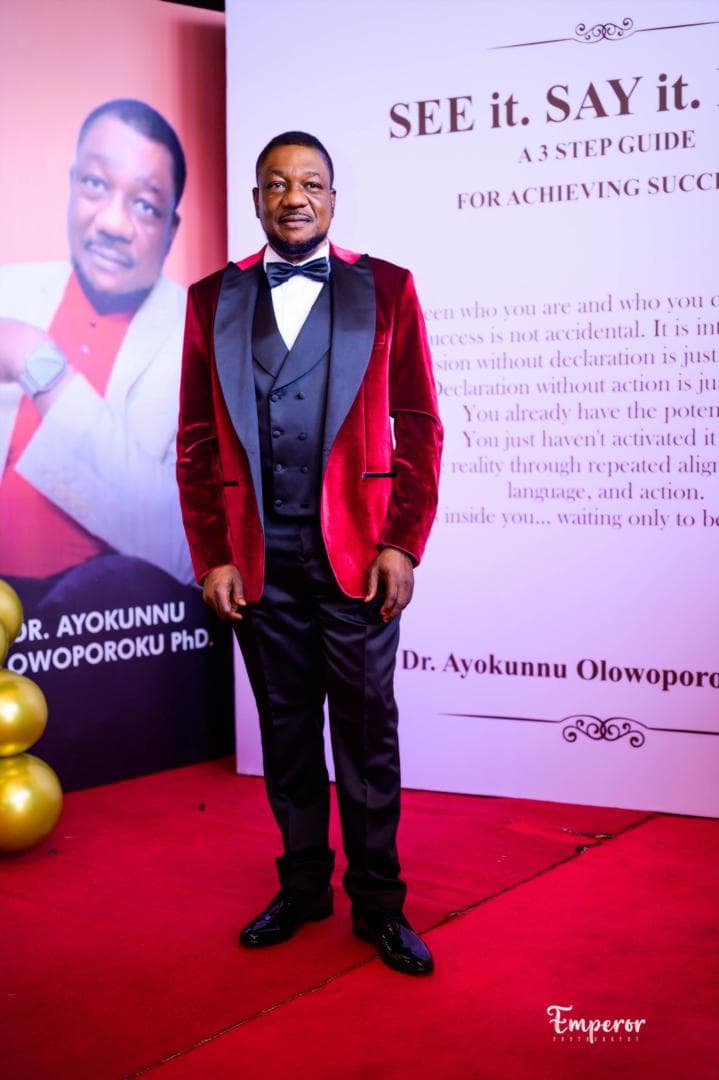
The argument SEE It, SAY It, DO It makes, delivered for a room rather than a reader — practical, not motivational.
What the session works through
- Why good ideas decay between the room and the calendar
- Turning a decision into a next action with a date on it
- Committing publicly without overpromising

Four Ways to Book
Each theme can be delivered in any of these shapes. Where a session sits between two of them, the brief decides — say what the room needs and the format follows.
Keynote
45–60 minutes, plus questions
One theme, argued for a full room — the opening or closing address that gives a conference its through-line and sends the audience out with a position to argue with.
Best for
Conferences, annual gatherings and industry summits
University Lecture
60–90 minutes
A practitioner's account of what the theory looks like once it meets an operating constraint, pitched at students who will be running these decisions within a few years.
Best for
Business, management and hospitality programmes
Workshop
Half or full day
The working version: a smaller group brings a decision it is actually facing and spends the session putting a method against it until something moves.
Best for
Leadership teams, offsites and in-house development
Panel & Fireside
30–60 minutes
Moderated conversation or panel contribution, for programmes that want the argument tested in dialogue rather than delivered from the front.
Best for
Summits, launches and convened discussions
Rooms This Suits
Sessions assume an audience with something at stake in the subject. The material is pitched at people who will have to act on it, not at a room being entertained between agenda items.

Conferences and industry events
Programmes wanting an address that gives the day a through-line — hospitality, business and leadership audiences who will recognise an operating constraint when they hear one described.
Universities and student cohorts
Business, management and hospitality programmes wanting a practitioner's account of what the theory looks like once it meets a payroll, delivered by someone who teaches the theory as well.
Leadership teams and offsites
Smaller rooms convened to decide something, where a session is expected to move the discussion forward rather than open it ceremonially.
Professional bodies and associations
Membership audiences at CPD events and annual gatherings, who arrive with real experience and are quick to detect a talk written for a more general room.
Less suited to after-dinner entertainment, or to a slot where the brief is simply to fill forty minutes. Neither is what this is.
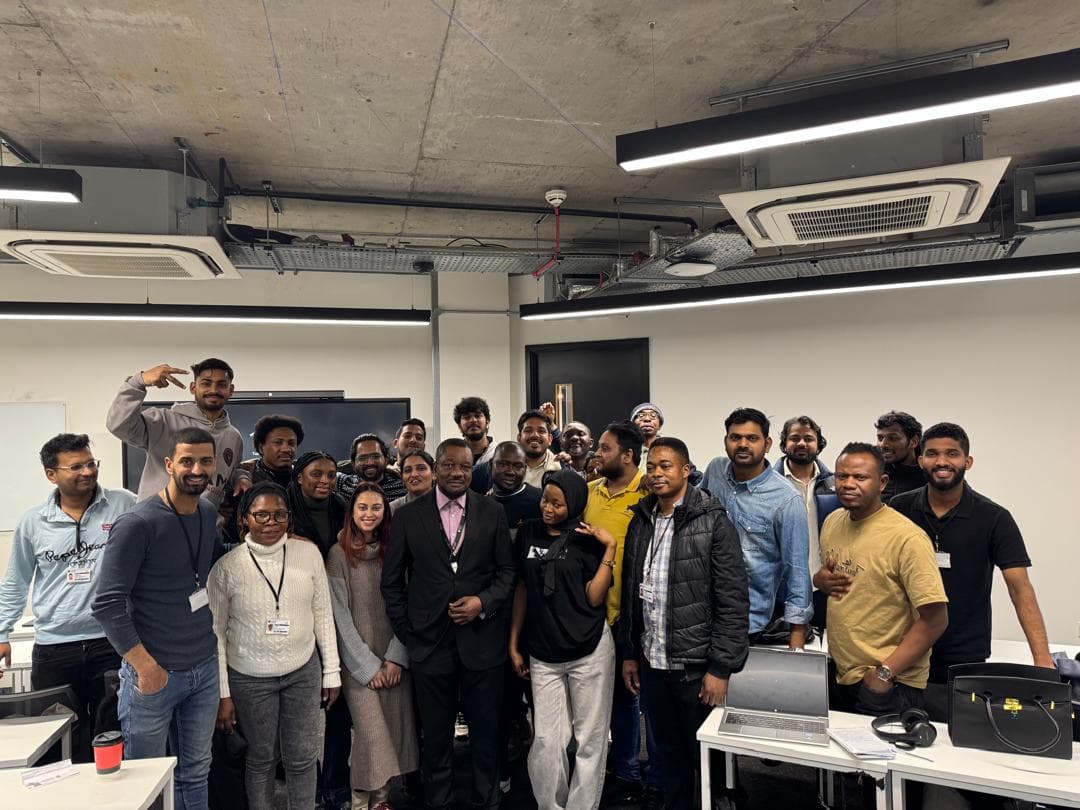
How a Session Is Built
The work that makes a talk land happens before the day. Three steps, and the first one is yours as much as mine.
The brief
The date, the audience and the theme — and, most importantly, what should be different once the room empties. A session written toward a stated outcome is a different session from one written toward a topic.
The build
The theme is rebuilt around your audience: their sector, their constraints, and the decisions they are actually carrying. Examples are chosen to be recognisable to that room rather than impressive to any room.
The delivery
The session is delivered to leave the audience with something specific enough to act on that week, and the material can be followed up in writing so what was said survives the retelling.
The Books Behind the Talks
Copies can be made available for an audience by arrangement.
Explore the books

Start With the Date
Send the date, the audience and the theme, along with what you want the session to produce. You will get an honest answer about whether this is the right session for that room — and if it is not, a straight recommendation instead.
Speaking enquiries are reviewed weekly. Earlier notice gives the preparation above more room to work.